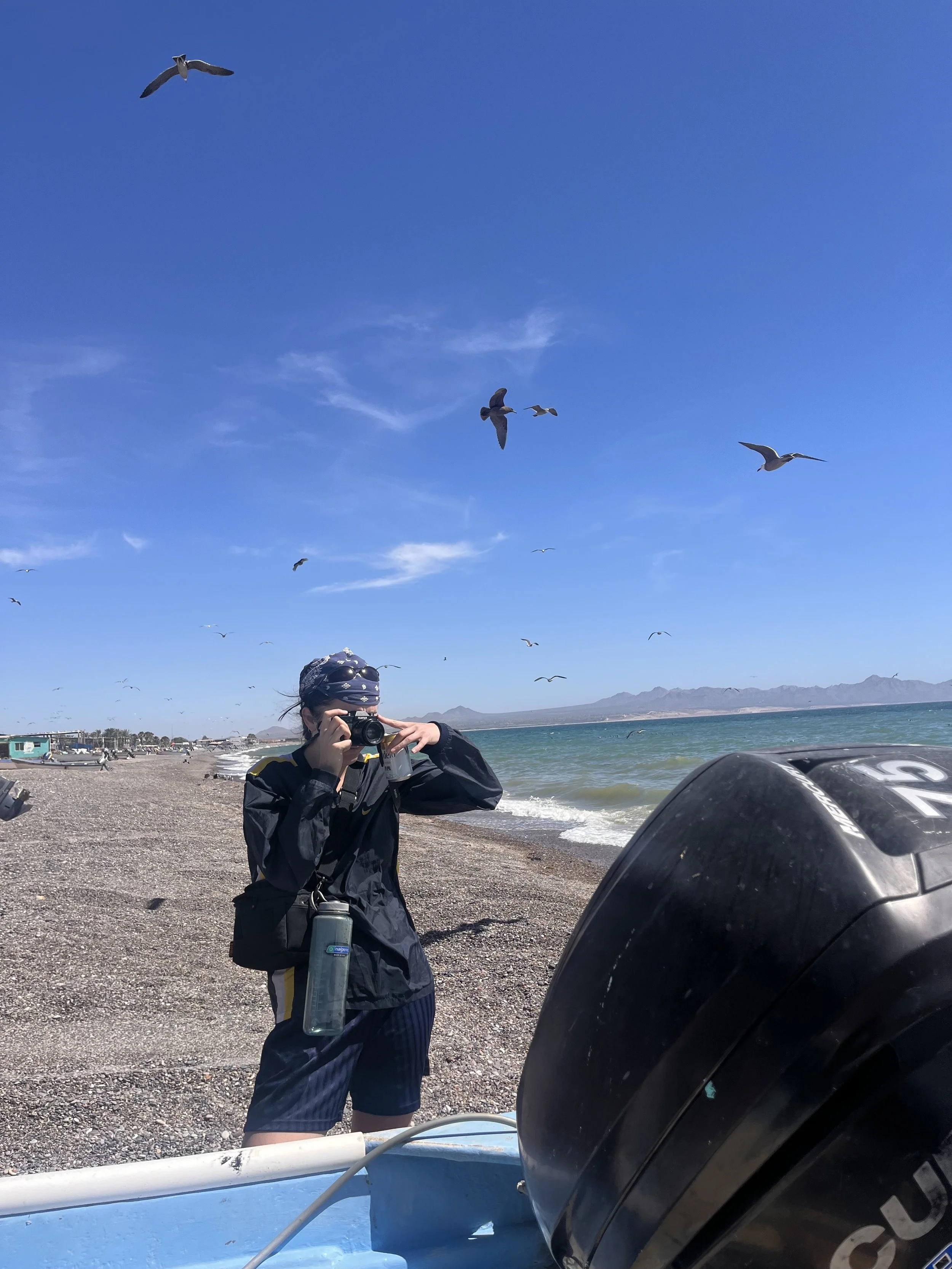
Rachel Herring (Choctaw Nation of Oklahoma) is a geographer researching how justice-oriented energy systems can disrupt extractive capitalism. She employs ethnographic methods to investigate how energy infrastructures reflect and reproduce systems of power, and how they may instead serve as tools of self-determination. Rachel has conducted research across multiple case studies, including southern Japan as a 2023-24 Fulbright-National Geographic Fellow and in collaboration with Tribal Nations. Her work demonstrates that a truly just energy transition must redistribute not only economic benefits, but ownership, labor, and epistemic justice, ensuring that communities define energy sovereignty on their own terms. Previously, she has recommended policy alternatives for domestic mining with the Department of Energy’s Indian Energy Program, and has explored impacts of critical mineral extraction on Native land as a Kathryn Wasserman Davis Conflict Transformation Fellow. Rachel was named a Next Generation Photographer by the 2024 Japan Photo Award in Kyoto, and her photography and writing has appeared in The New York Times and National Geographic Online.

Ph.D, Stanford University, Emmett Interdisciplinary Program in Environment and Resources (current)

M.A., Middlebury, International Environmental Policy (2023)

B.A., New York University, Gallatin School of Individualized Study (2016)

Contact

e/ Rachelkaherring@gmail.com

IG: @rachelphotoclub